


23 May What is a Decentralized Application dApp? IoTAgenda
Moreover, there are other similarities between Web2 and Web3 development, and developers use some of the same programming languages to build dapps as traditional applications. However, since dapps are blockchain-based, a pervading characteristic of dapps is decentralization. Let’s start with the basics and answer the question, ”what are dapps? Dapps, or ”decentralized applications”, are not all that different from traditional applications you’re most likely more familiar with.
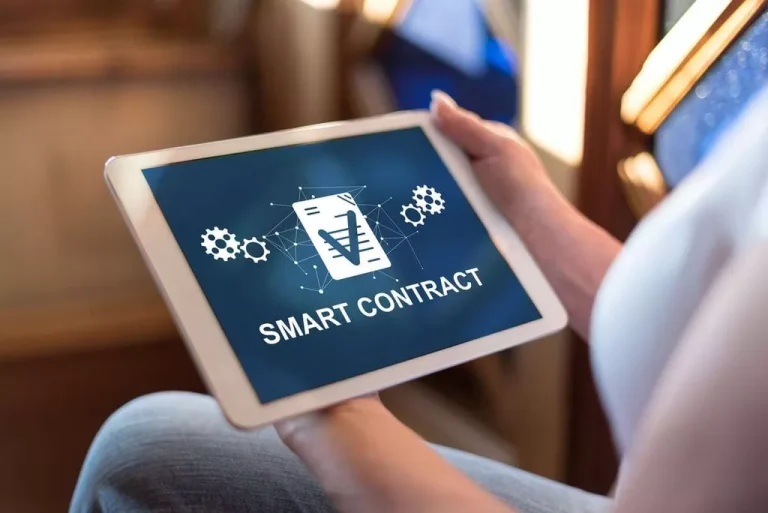
That means each node in the system holds a backup of the dApp, and if one participant corrupts the information, the other participants will know. Whatever you do through the dApp is communicated back to its underlying blockchain through smart contracts. Essentially, smart contracts are just LEGO-like chunks of code for automatically carrying out functions, like sending a payment, using an in-game item, or placing a bid.
How Digital Bootcamps Promote Diversity in Tech
Ethereum is a flexible platform for creating new dApps, providing the infrastructure needed for developers to focus their efforts on finding innovative uses for digital applications. This could enable the rapid deployment of dApps in a number of industries including banking and finance, gaming, social media, and online shopping. A dapp can have frontend code and user interfaces written in any language (just like an app) to make calls to its backend.
And while there isn’t quite as much variety to choose from just yet, you can generally find something that interests you. This makes dApps super transparent, while also providing an incentive for developers to work in the best interests of you and the other users. Since dApps are on the blockchain, their transaction and upgrade history is transparent. For most blockchains, practically anybody can launch a node to add another backup of the dApp, and there are usually rewards in place for those that do—such as staking rewards. Just like any regular app, dApps have a user interface that you interact with.
What Is the Difference Between a Centralized and Decentralized App?
But there have been some successful early movers in the technology, financial, gaming and collectibles categories. By Q1 of 2022, there were almost 2.4 million daily active users of dapps. https://www.xcritical.com/blog/decentralized-applications-dapps/ Before dapps reach the mainstream, developers and the networks on which they build dapps have a long list of challenges to work through, including scalability, security, and UX.
But before we get into what decentralized applications or ‘dApps’ are and how they affect you, let’s first take a look at the type of app we’re all used to dealing with. The blockchain stores copies of its expanding stack of data on a large number of participating computers, known as “nodes,” all at once. A full explanation of how blockchain technology works can be found here. It is important to note that not all applications using blockchain technology are considered DAPPs. Firstly, it must be open-source, meaning the code is publicly available and can be audited by anyone.
Fast Food Is Getting Smarter With Process Automation
That doesn’t mean it can’t change, but if it does, it will be public and evident to users. And if you don’t like the idea that it can change, you can even program it from the start to restrict certain changes or disallow all changes to the contract. These allow users to make peer-to-peer transactions on a blockchain network. Dapps of this kind often have their own independent blockchains, and are commonly called cryptocurrencies. Bitcoin, the first cryptocurrency, provided a way for people to transfer value independently of any third-party payment processor thanks to blockchain technology. This same concept has also been applied to more complex transactions, like those involving software applications.
The smart contracts perform the specifically defined functions irrespective of the conditions in their surroundings. Currently, DApps often have a more complex user experience than traditional https://www.xcritical.com/ centralized applications. Interacting with blockchain networks, managing digital wallets, and understanding the underlying technology may require some learning for some users.
What language are dApps written in?
They’re constantly working to keep this information up-to-date so they all have the exact same copy. This what makes smart contracts, and cryptocurrencies in general, decentralized. Ethereum is a network protocol that allows users to create and run smart contracts over a decentralized network. A smart contract contains code that runs specific operations and interacts with other smart contracts, which has to be written by a developer. Unlike Bitcoin which stores a number, Ethereum stores executable code. Among the most popular dapps at present are decentralized finance (DeFi) applications such as decentralized exchanges (DEXs).

This makes them pretty much impossible to block—while also ensuring they’re accessible 24/7… no matter what. Making them perfect for crucial applications like health and personal finance apps. Chief among these is the potential for data harvesting and misuse, since apps sometimes collect more personal data than we’d actually be comfortable with sharing. DApps are applicable to a wide range of industries, such as gaming, governance, finance, medicine, and even file storage, which is also a good reason to use them. However, as already mentioned, despite the differences in the backend operations, the way dApps work and the experience are almost alike. After transferring Ether into the wallet, users can use funds to pay for online services or to access DApps with Ether and ERC20 tokens, for instance for the game CryptoKitties.
What Is a Dapp? Decentralized Apps Explained
Traditional web applications also depend on the frontend and backend as the important elements in their functionality. However, traditional web applications leverage software that resides on centralized web servers rather than the local operating system of specific devices. The devices would leverage the Hypertext Transfer Protocol or HTTP for using coding messages to communicate with servers. So, the feed on the front end of the web application would come from data in the backend or web server of the company. Let’s return to the auction bidding scenario and use smart contracts to implement on-chain bidding.
- The source code is known as a smart contract, which allows users to complete transactions without revealing personal information.
- This Enterprise Blockchain Analyst seems to have an unfathomable interest in blockchains, which makes him perfect for sharing his new discoveries on 101 Blockchains.
- Likewise, they have a peculiar feature that they provide decentralized storage, which uses decentralized blocks for storing data.
- When it comes to the adoption of DAPPs, there are several benefits that make them an enticing option for users.
- Furthermore, decentralized apps are responsible for almost $182.5 billion worth of user transactions annually.
- ✝ To check the rates and terms you qualify for, SoFi conducts a soft credit pull that will not affect your credit score.
- For most blockchains, practically anybody can launch a node to add another backup of the dApp, and there are usually rewards in place for those that do—such as staking rewards.
No Comments